






When is a Splint Right for Your Dog?
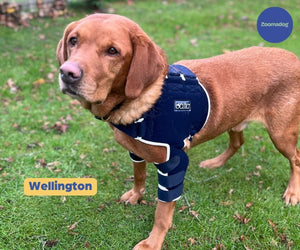
Splints provide rigid support by totally immobilising our dog's limb or joint. Dog splints are commonly used for fractures below the knee or hock, ligament or tendon injuries, severe sprains or to protect a limb after surgery. A splint may also be appropriate when limiting movement can reduce pain and prevent further injury.
How will a Splint Help Your Dog?
Dog splints stabilise their bone or joint to prevent further injury and to aid healing. Here’s how they can help 🐾:
- Keeps the limb still: Splints limit movement, which is crucial for healing fractures, sprains, ligament injuries or tendon damage.
- Reduces pain: By preventing awkward motion, splints make walking or resting a lot more comfortable.
- Supports healing: Proper alignment helps bones, joints and soft tissue heal the right way instead of crooked or overstressed.
- Prevents further injury: Dogs are… not great at resting. A splint acts like a physical reminder not to overdo it.
- Helps after surgery: Vets often use splints post-op to protect repairs while tissues recover.
How to Pick a Dog Leg Splint?
The splint should match the injury - rigid splints are usually used for fractures or severe instability, while softer splints are better for mild sprains or extra support. Accurate measurement of your dog’s leg is essential so the splint fits securely without restricting circulation or causing rubbing. It should be padded, adjustable, and comfortable enough for short periods of movement while still limiting motion. Once applied, the splint needs daily monitoring for swelling, skin irritation, odor or changes in comfort and regular veterinary follow-up to ensure proper healing.


